menu
Каменеобробка
України
Пошук по каталогу
Постачальники
Родовище
Пошук по каталогу
Постачальники
Родовище
search
UA
EN
RU
person
Login
shopping_cart
Cart
Зареєструватись
Каталог
Види каменю
Контакти
close
Пошук по каталогу
Постачальники
Родовище
Пошук по каталогу
Постачальники
Родовище
search
Каталог
Види каменю
Контакти
Постачальники
MayerStones
MayerStones
Угорщина
Kőbányai utca 16.Üröm 2096 Pest Hungary
+36-26-351-491 fax:+36-26-351-491
IntroductionOur
pavings are quarried in our own delphs. In our Ezüsthegy Delph
quartz-sandstone, in our Budakalászi Delph limestone and in our Üröm
Delph calcaerous marls are quarried. All three mine pits are our own
properties. The whole production process is carried out int he
delphs, from the first steps to the finishing touches.
Üröm
DelphCalcaerous
mud and clay mud used to be formed int he sea at the same time due to
the special climatic circumstances. This process created the so
called Buda Marl. When this rock gets moisture it turns to be an
aquitard, however it is advisable to impregnate against wogs and due
to easier cleaning. The colour of the rock is determinated by the
ratio of two and three valance iron elements.
Ezüsthegy
DelphThe
Ezüsthegy sandstone was formed in a sea environment in the
Oligocene. It has a rusty, silvery, somewhere white into dark
yellowish colour. It is built up from small pebbles alone. Int he old
times millstones and whetstones were produced from this sandstone.
Itsâ processing is still made by hand: it is still split and carved
by hand. Due to its high quartz content the mechanized processing of
this rock is very costly. Plinths of churches, villas, mansions,
several femces and buttresses and later whole public facilities,
facades and institute buildings were built from this stone. The
buildings recently built from the quartz-sandstone evoke the
historical times.
Budakalász
DelphThe
limestone was formed in a relatively long and narrow freshwater lake
during the Pleistocene ice age. From the relatively high pressure
waters of the lukewarm springs effusing to the surface calcium
carbonate precipitated due to the loss of pressure. A rich
vegeatation occured in these waters. The plants extracted the rest of
the CO2 from
the waters. The calcium-carbonate precipitated ont he brenches and
leaves of the plants, but this exterminated the vegetation int he
lake. The soft parts of the plants decayed and the space left after
the plants are very typical int he fresh water limestones (also
called traverintes). Itsâ colour can be white, yellow, brown and
red.
10
25
50
Gold Fantasy Flatstone
unlisted
будівельні роботи
Contact supplier
MayerStones
Gold Mediterranean (6-8), Yellow Marble Building & Walling
unlisted
будівельні роботи
Contact supplier
MayerStones
Gold Mediterranean 4-6 Wall Brick Stones
unlisted
будівельні роботи
Contact supplier
MayerStones
Gold Mediterranean 8-10, Beige Marble Building & Walling
unlisted
будівельні роботи
Contact supplier
MayerStones
Gold Mediterranean Mix, Budai Marl Building & Walling
unlisted
будівельні роботи
Contact supplier
MayerStones
Gold Provance, Beige Limestone Building & Walling
unlisted
будівельні роботи
Contact supplier
MayerStones
Gold Royal Stone Wall Brick, Beige Limestone Bricks
unlisted
будівельні роботи
Contact supplier
MayerStones
Mediterranean Gold Limestone Beige Marble Building & Walling
unlisted
будівельні роботи
Contact supplier
MayerStones
Silver Mediterran, Brown Sandstone Building & Walling
unlisted
будівельні роботи
Contact supplier
MayerStones
Silver Retro 35, Brown Sandstone Building & Walling
unlisted
будівельні роботи
Contact supplier
MayerStones
Silver Retro 70, Brown Sandstone Building & Walling
unlisted
будівельні роботи
Contact supplier
MayerStones
Travertin Mediterran, Grey Limestone Building & Walling
unlisted
будівельні роботи
Contact supplier
MayerStones
Travertin Retro 35, White Limestone Building & Walling
unlisted
будівельні роботи
Contact supplier
MayerStones
Travertin Retro 70, Grey Limestone Building & Walling
unlisted
будівельні роботи
Contact supplier
MayerStones
 Угорщина
Kőbányai utca 16.Üröm 2096 Pest Hungary+36-26-351-491 fax:+36-26-351-491
Угорщина
Угорщина
Kőbányai utca 16.Üröm 2096 Pest Hungary+36-26-351-491 fax:+36-26-351-491
Угорщина
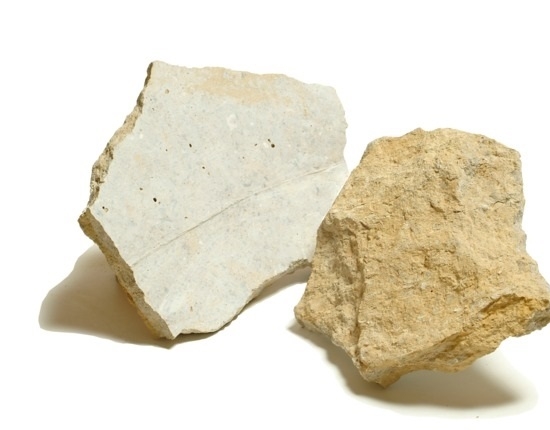


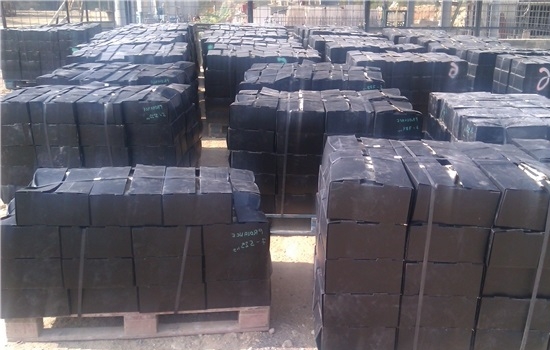


pavings are quarried in our own delphs. In our Ezüsthegy Delph
quartz-sandstone, in our Budakalászi Delph limestone and in our Üröm
Delph calcaerous marls are quarried. All three mine pits are our own
properties. The whole production process is carried out int he
delphs, from the first steps to the finishing touches.
Üröm
DelphCalcaerous
mud and clay mud used to be formed int he sea at the same time due to
the special climatic circumstances. This process created the so
called Buda Marl. When this rock gets moisture it turns to be an
aquitard, however it is advisable to impregnate against wogs and due
to easier cleaning. The colour of the rock is determinated by the
ratio of two and three valance iron elements.
Ezüsthegy
DelphThe
Ezüsthegy sandstone was formed in a sea environment in the
Oligocene. It has a rusty, silvery, somewhere white into dark
yellowish colour. It is built up from small pebbles alone. Int he old
times millstones and whetstones were produced from this sandstone.
Itsâ processing is still made by hand: it is still split and carved
by hand. Due to its high quartz content the mechanized processing of
this rock is very costly. Plinths of churches, villas, mansions,
several femces and buttresses and later whole public facilities,
facades and institute buildings were built from this stone. The
buildings recently built from the quartz-sandstone evoke the
historical times.
Budakalász
DelphThe
limestone was formed in a relatively long and narrow freshwater lake
during the Pleistocene ice age. From the relatively high pressure
waters of the lukewarm springs effusing to the surface calcium
carbonate precipitated due to the loss of pressure. A rich
vegeatation occured in these waters. The plants extracted the rest of
the CO2 from
the waters. The calcium-carbonate precipitated ont he brenches and
leaves of the plants, but this exterminated the vegetation int he
lake. The soft parts of the plants decayed and the space left after
the plants are very typical int he fresh water limestones (also
called traverintes). Itsâ colour can be white, yellow, brown and
red.